Eikestad · Stellenbosch
Stellies homes don't share a window between them — a Dorp Street sash, a Mostertsdrift bay, a wall of estate glass staring straight at the vines. We measure each one where it stands and fit the blind that opening actually asks for.
Or read the free Stellenbosch Window Field Guide →
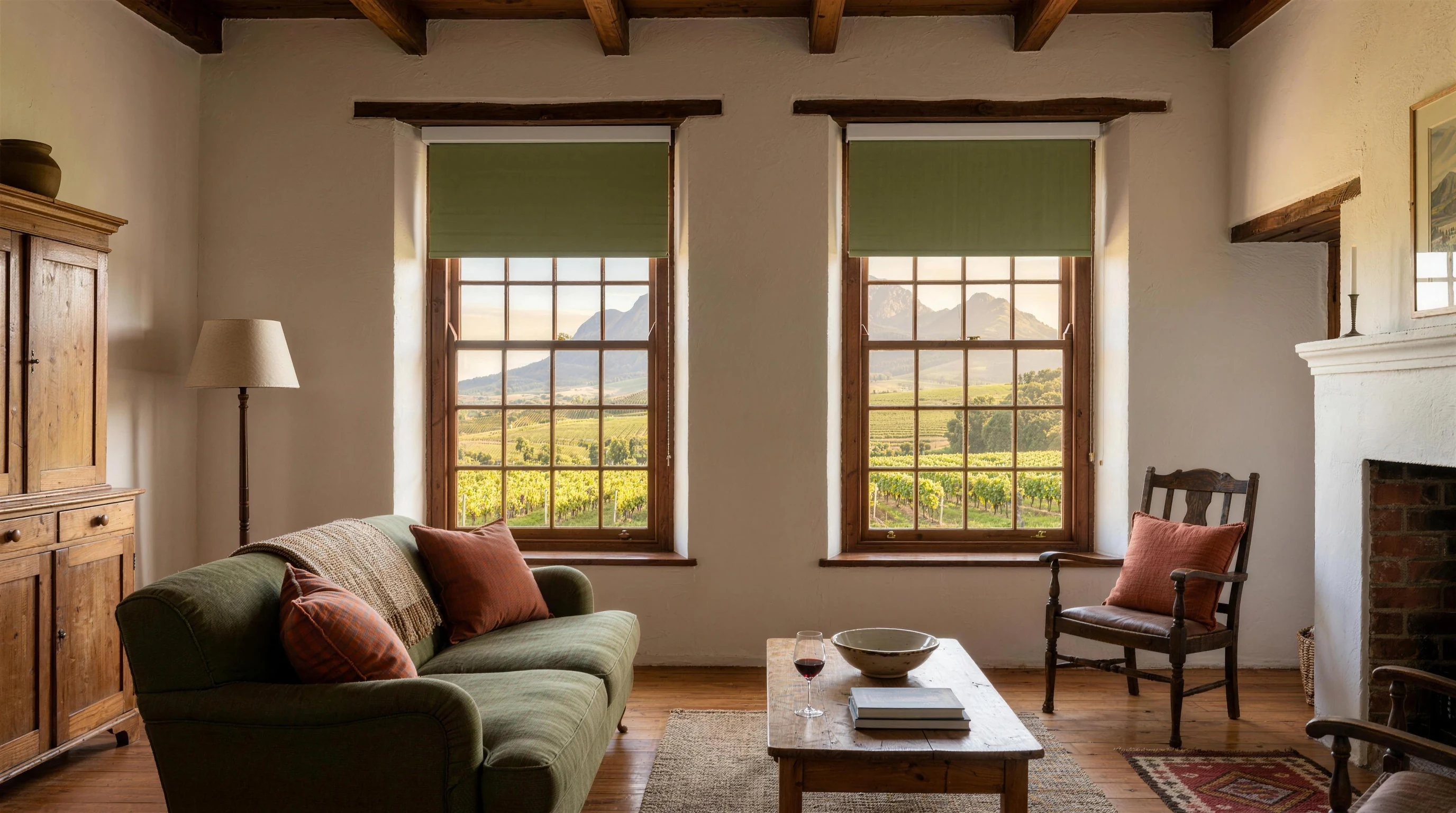
Farmhouse sitting room · rollers on the vineyard side
Why it works here
Reading the town
A sash window in the historic core can be centuries older than any bracket made for it. On heritage joinery we look for fixings that leave the original timber alone wherever possible — and we'll tell you plainly when a clamp-fit or reveal-fit is the kinder route.
The same house behaves like four different houses here. A street side dimmed all day by the oak canopy, a west wing that takes the late sun off the Papegaaiberg side, a north face that bakes through harvest. Fabric, openness and colour get decided per elevation — never once for the lot.
Plenty of Stellenbosch addresses sit behind an aesthetic committee. Where the rules limit what may show from outside, the spec shifts toward recessed boxes, colour-matched cassettes and muted exterior tones — sorted before anything is ordered, not argued about after.
The collection
Every product below solves a specific Stellenbosch problem — glare off the vines, a west room that won't cool down, a committee that hates visible hardware. Start with the problem; the product follows.

The problem: eight blinds, one hot afternoon, nobody home. The fix: schedules and sensors that drop them on their own, run from a single app.
Ask about this →
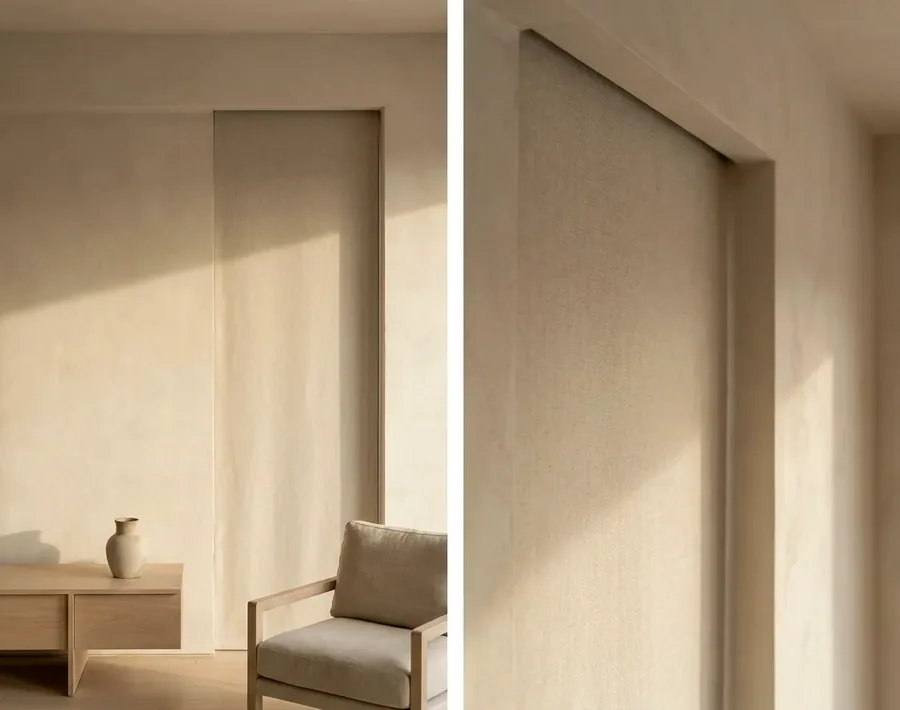
For architect-led builds where nothing may interrupt the line of the ceiling. The box lives in the slab or bulkhead; all you ever see is fabric.
Ask about this →
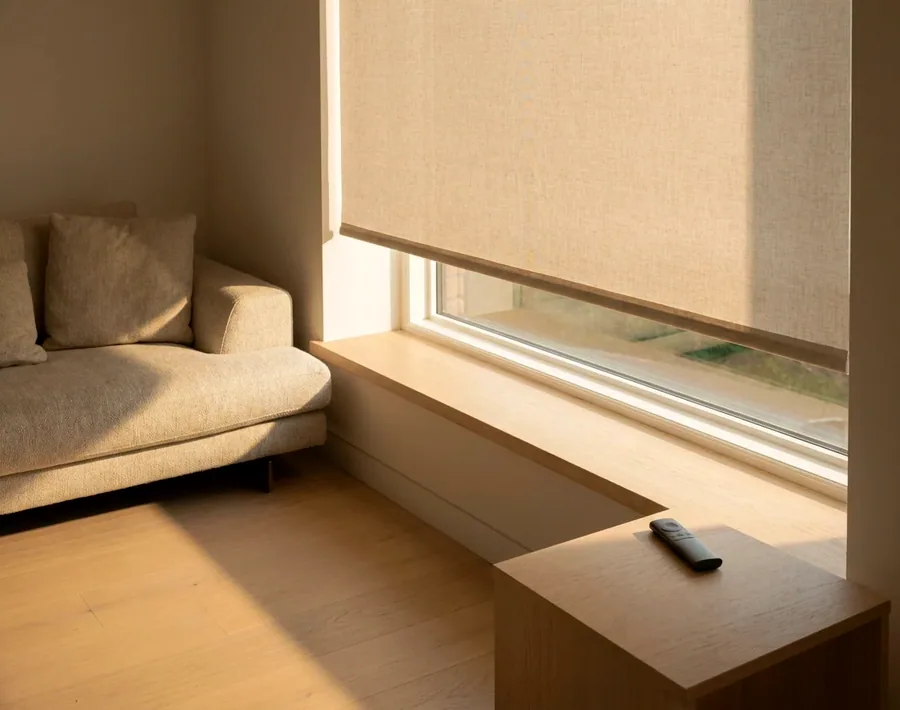
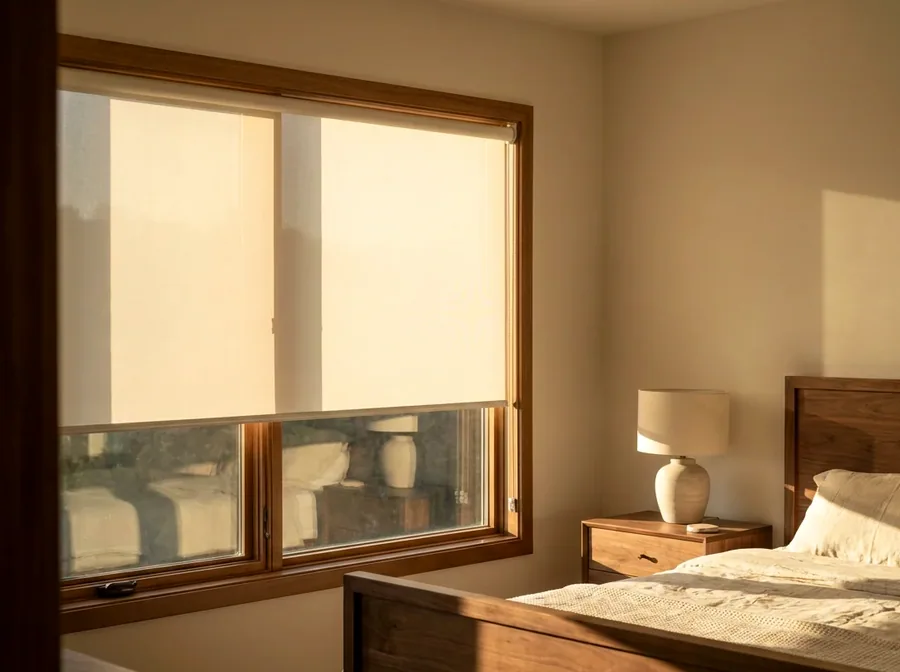
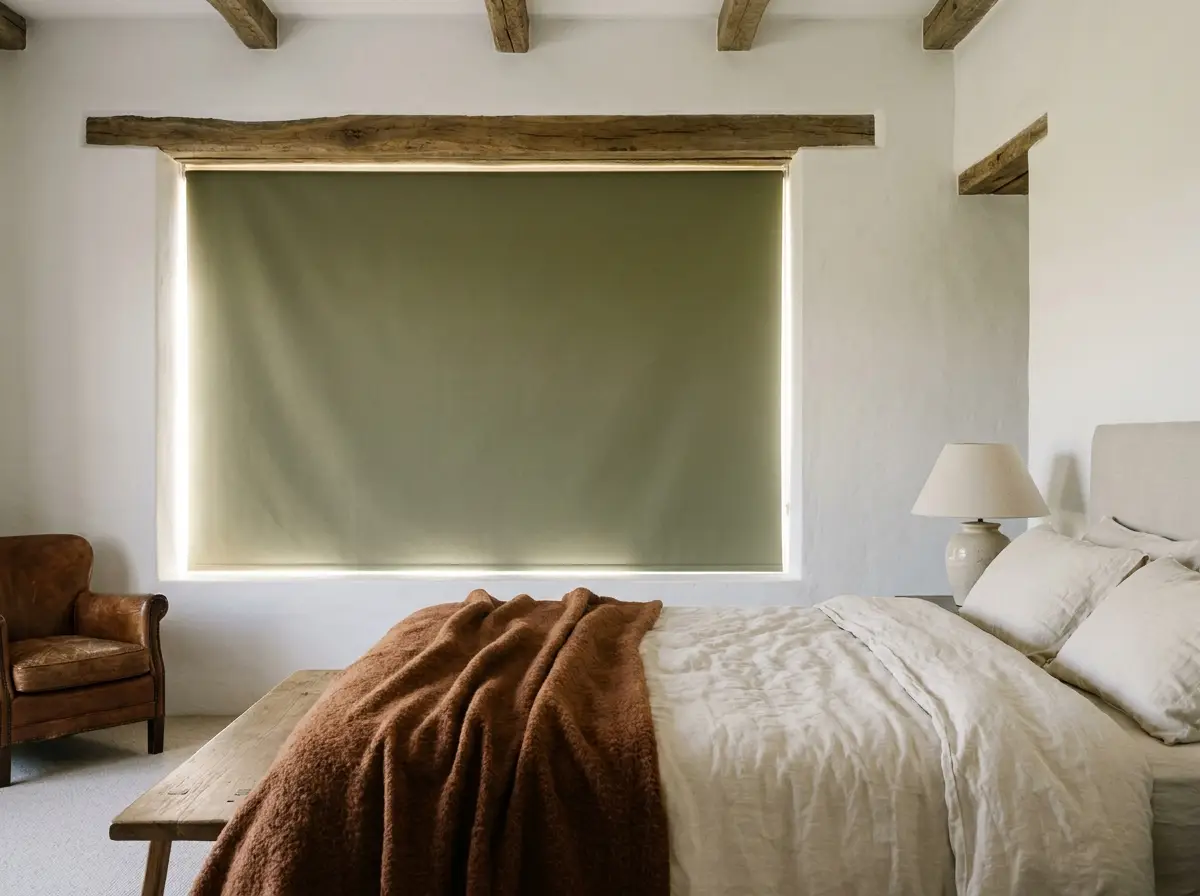
The everyday answer, done properly: sunscreen where the view earns its keep, blockout where sleep does, and a double bracket where a room wants both.
Explore →
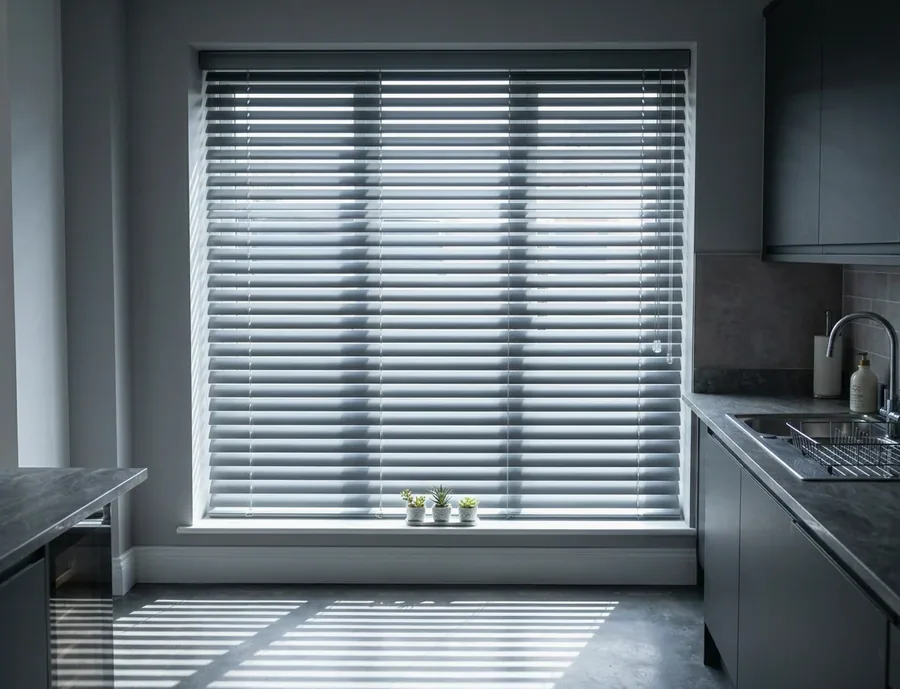
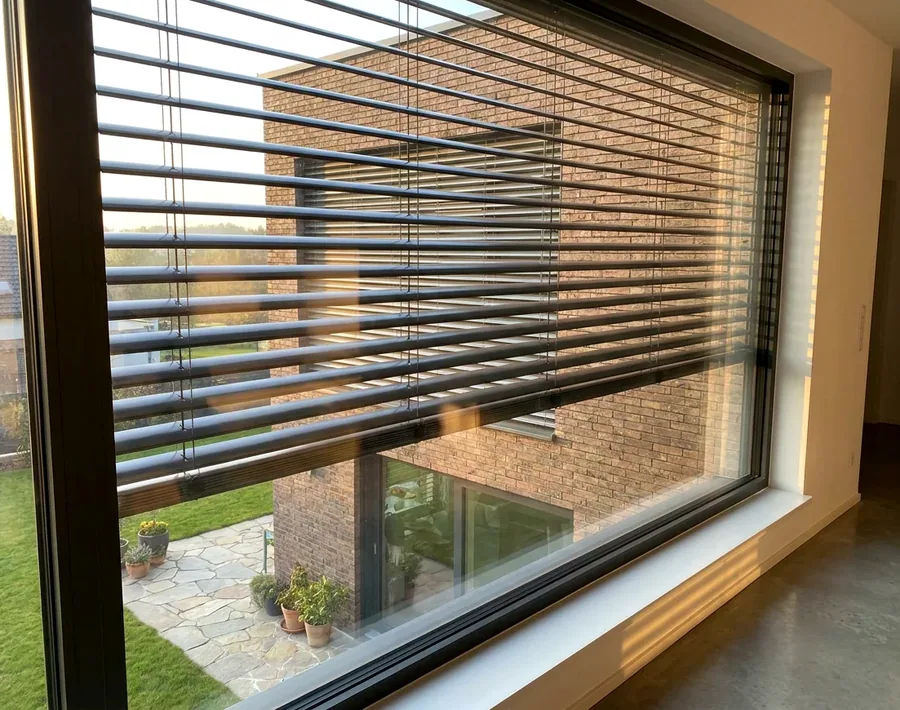
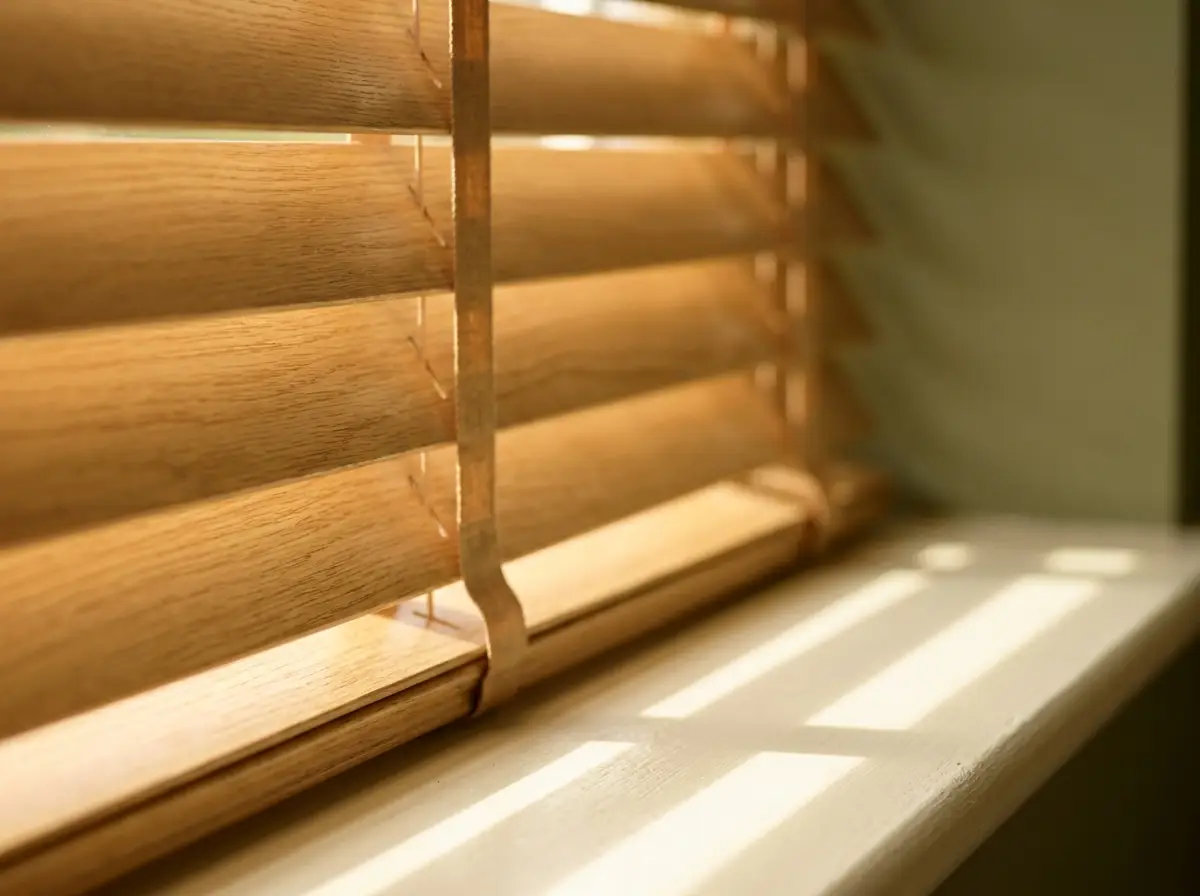
A slat you can angle beats a blind you can only raise. Timber earns its place in the old rooms; aluminium shrugs off steam over the sink and the bath.
Explore →
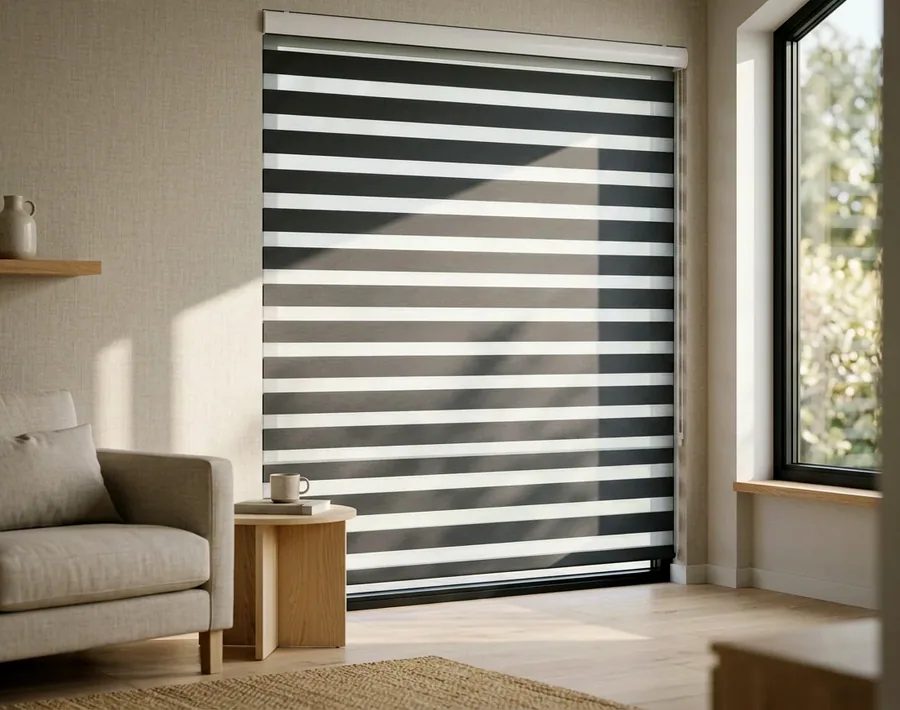
Alternating sheer and solid bands you slide past each other — the neat trick for rooms that face the pavement but refuse to sit in the dark.
Ask about this →
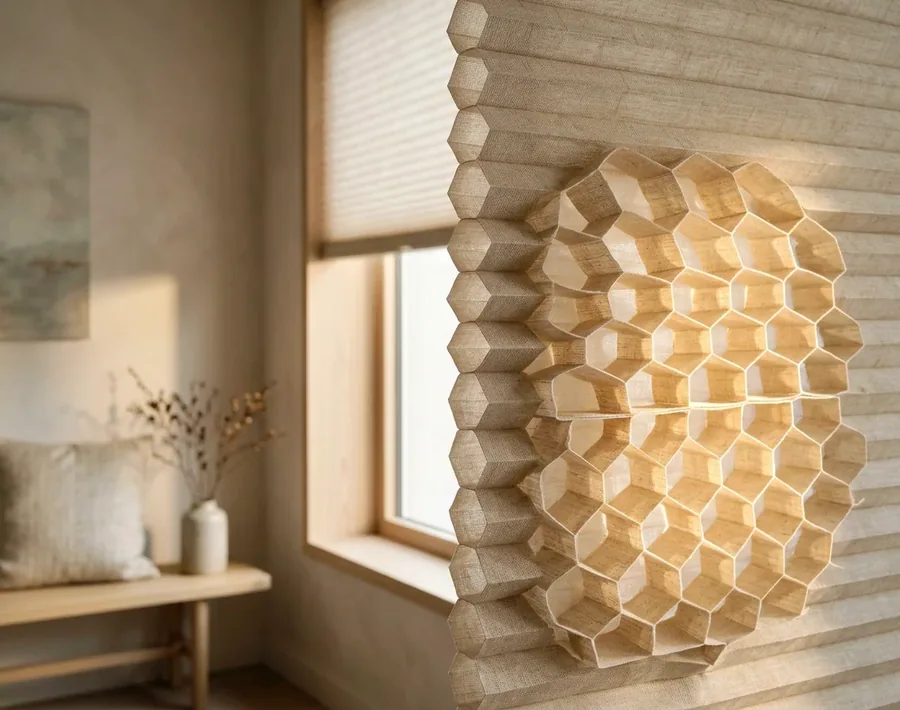
The pleated air pockets work like a duvet for the glass — welcome twice a year here, in February's heat and again on a wet July night.
Ask about this →
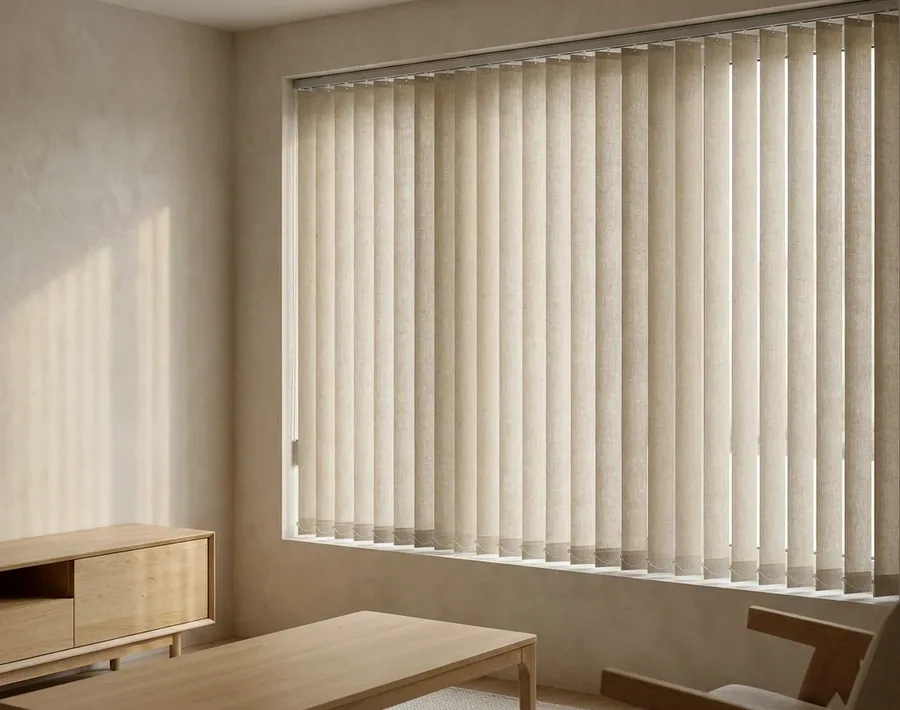
Built for the big sliders: vanes that angle the afternoon light, then stack right out of the doorway when the garden calls.
Ask about this →
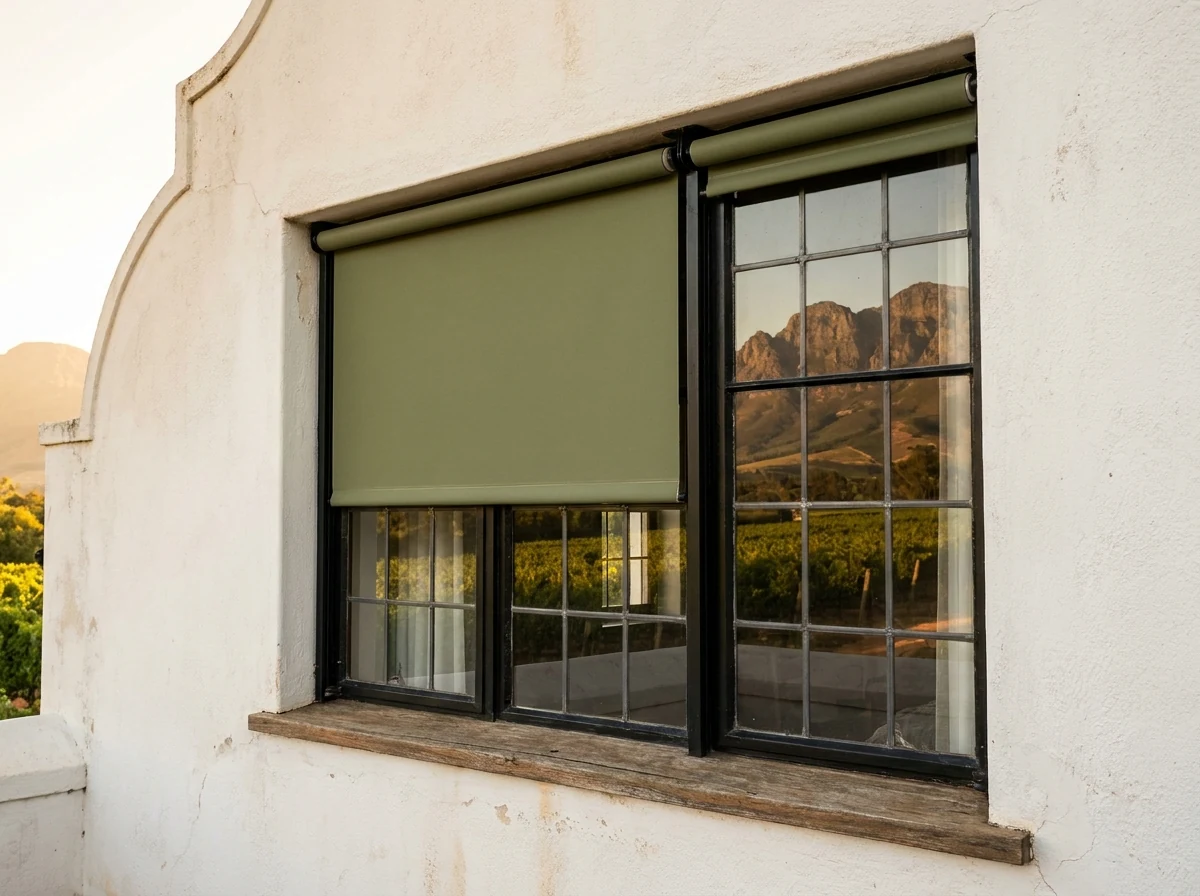
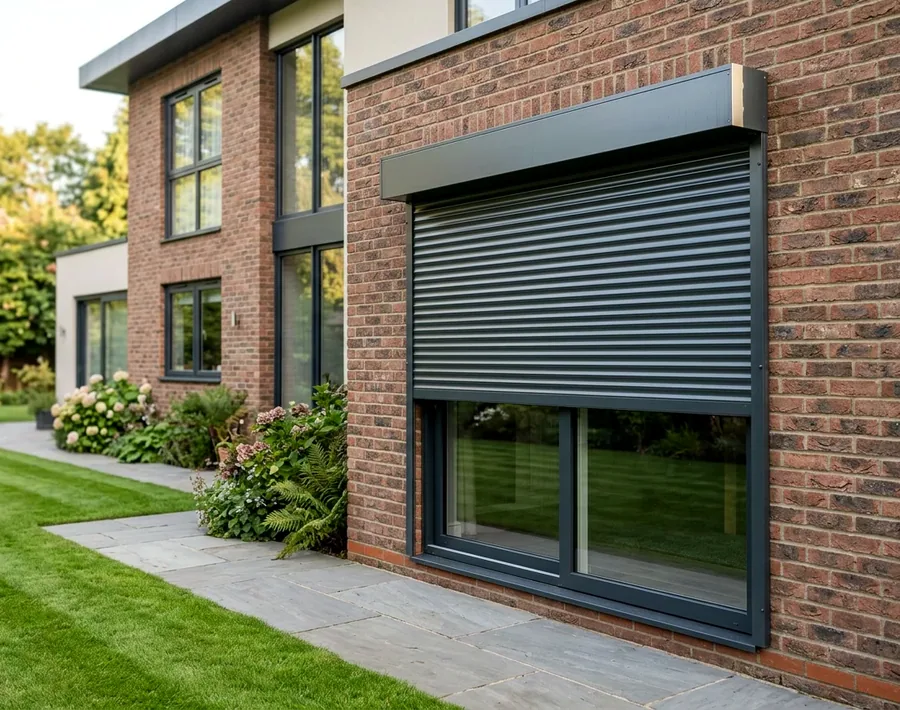
A slatted aluminium curtain running in side rails outside the window — the heat and hail get stopped at the wall, not at your curtains.
Shading, not security. These shutters exist to control sun, heat and glare from outside the glass. They are not security-rated — that's a separate product we can price for you on request.
Ask about this →
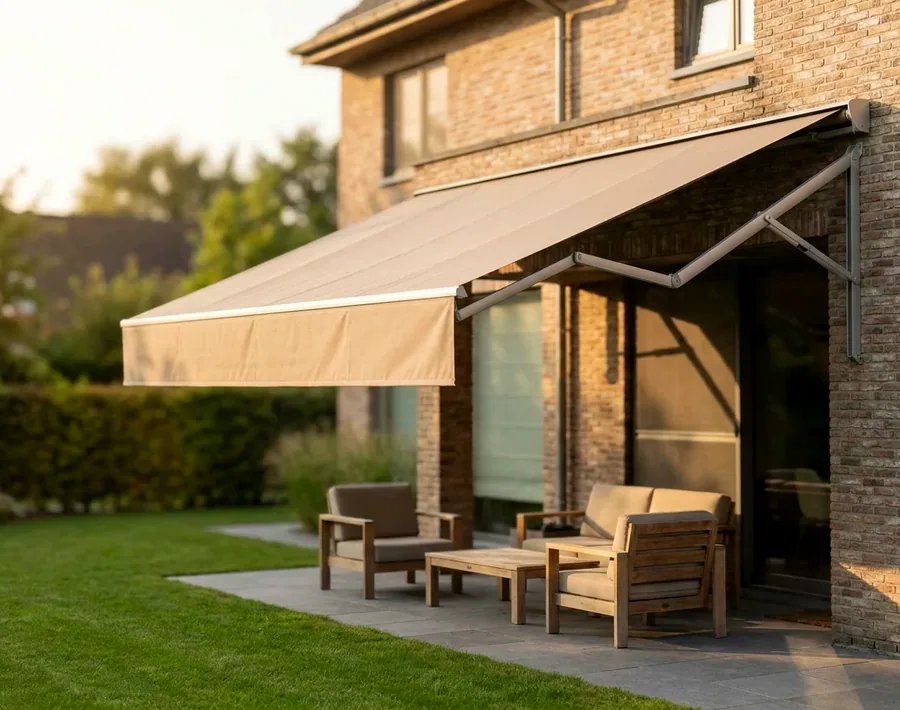
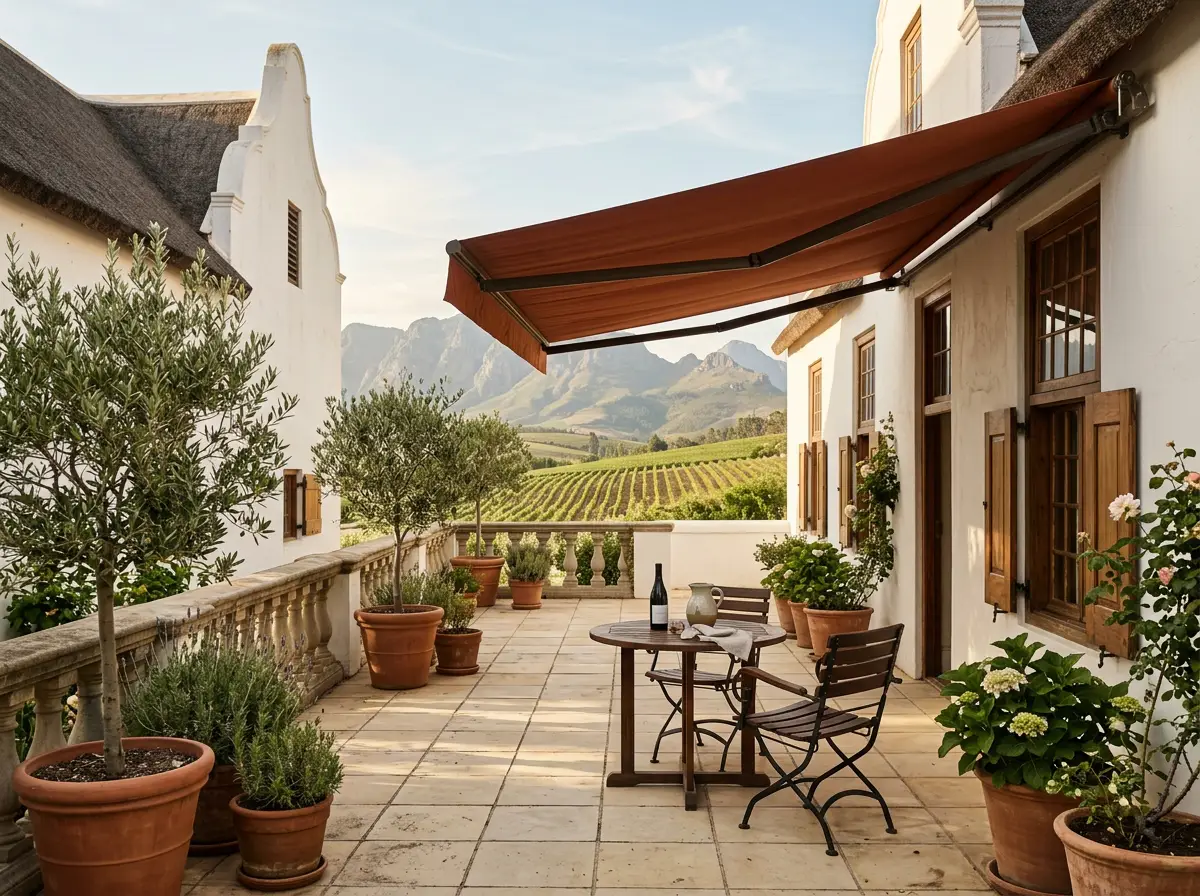
Metres of shade off one wall bracket, no posts to trip over at the braai — and a wind sensor that folds it away before the south-easter tests it.
Explore →
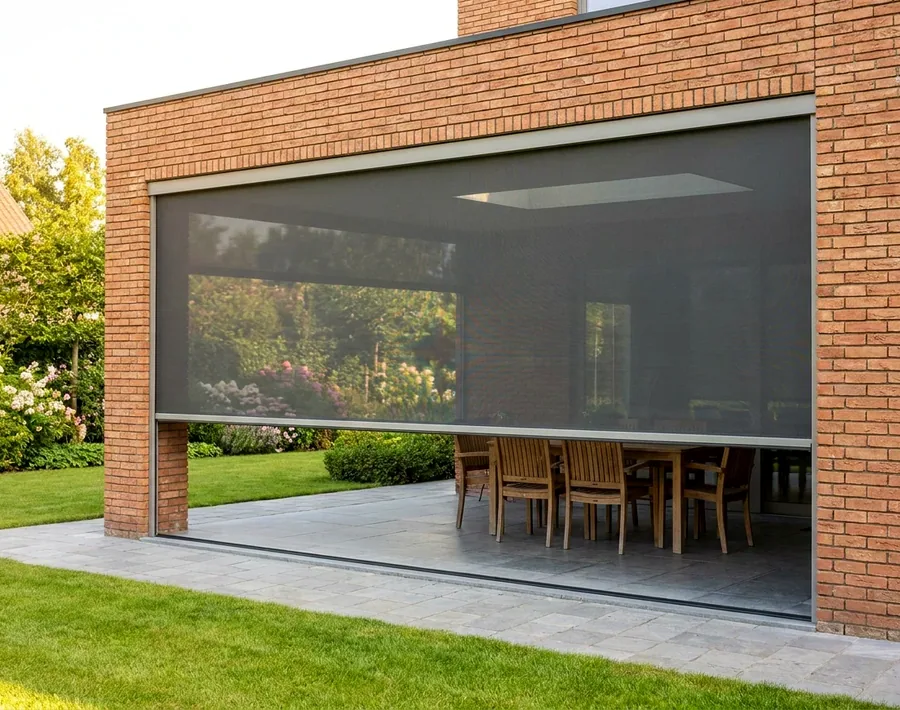
Mesh zipped tight into side channels turns the stoep into a room the wind can't cancel — used all through a Boland winter, not packed away for it.
Explore →
Louvres on the outside of the glass intercept the sun before it becomes heat in the room — the difference is measurable on any west face here.
Ask about this →
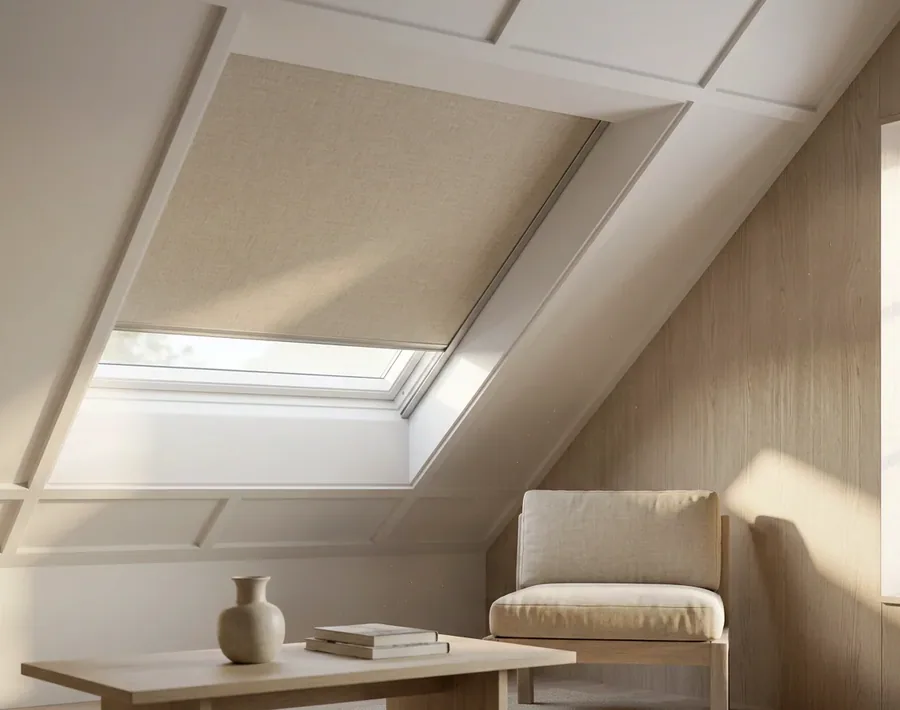
Roof windows, arches, the odd gable light — openings that don't fit a standard bracket get side rails, tensioned fabric and usually a motor.
Ask about this →Motorised curtain tracks and whole-home automation tie-ins round out the list. Tell us what your windows are doing wrong →
In the home


Free to read · no email needed
Read it before you spend anything. It walks each elevation of a Stellenbosch home — the harvest sun, the south-easter's afternoon habits, the UV that fades fabric here faster than the label promises — and says which blind we'd put where, including the trade-off nobody mentions in a showroom.
Inside the guide
How it works
You never visit a showroom. The showroom drives to you, in sample form, and the deciding happens at your own glass.
Two minutes in the form or chat. "West bedroom too bright by 6am" is a perfectly good brief — sizes can wait.
A consultant arrives with fabric and mesh samples, checks every opening to the millimetre, and holds each sample up in your actual light.
One line per window, lead times stated, nothing bundled to hide a margin. Sleep on it — the quote doesn't expire at the door. Before it arrives, the shape of it: R1,000 to R7,500 per square metre installed covers everything we fit, from a plain interior fabric up to a motorised awning, with a minimum charge on small windows.
Made to your openings, installed cleanly, and demonstrated — you work every blind yourself before the bakkie leaves.
About this service
Stellies Blinds measures, makes and fits window shading across Stellenbosch and the valleys around it — Paradyskloof, Welgevonden, Jonkershoek and De Zalze. Roller blinds, venetian blinds, folding-arm awnings and zip screens are all manufactured to the sizes taken where they will hang. In a town where a Dorp Street sash and a wall of estate glass can be ten minutes apart, that is the only method that makes sense.
The route is simple. You describe the problem in the form or the chat, and one of our expert consultants will contact you shortly to arrange a free in-home measure. A consultant then arrives with fabric and mesh samples, checks every opening to the millimetre, and holds the samples up in the light the room actually gets. The quote comes back as one line per window so nothing is bundled, and there is no pressure to sign anything at the door. On fitting day everything goes in made to your openings and is demonstrated before we leave.
Enquiries are used solely to arrange that consultation call-back, and are handled under POPIA.
Where we work
Questions
Usually, yes. Deep reveals on older Boland homes often allow an inside-reveal fit where the brackets sit against plaster rather than heritage timber, and on some frames a clamp-type fixing avoids screws entirely. Which route is right depends on the specific window, which is exactly what the free measure settles.
That's the day/night blind's whole reason for existing: sheer and solid bands slide past each other, so you keep the oak-filtered daylight while breaking the sightline from the street. A 3–5% sunscreen or a tilted venetian does a similar job with a different look — we'd bring samples of all three.
Not if it's specified for the wind. A motorised awning with a wind sensor retracts itself the moment gusts pick up, and on a properly exposed corner we'd often steer you to zip screens instead — the mesh is locked into side channels, so the south-easter has nothing to grab.
Cellular blinds do, measurably — their honeycomb pockets trap a layer of still air against the glass, which is where most of a room's heat escapes. A blockout roller fitted close to the glass helps too. Neither replaces heating, but both mean the heating fights a smaller battle.
No — one hub runs the lot from a single app, with rooms grouped however you like and schedules for the harvest-season sun. Individual remotes are still available for guest rooms or anyone who prefers a button to a phone.
A consultant phones you back to talk through the windows and set a time for the free measure — no auto-responders, no obligation, and your details are used for that call-back only, as POPIA requires.
Ready when you are
Send the form below — an expert consultant will phone you back shortly to set up your free in-home measure.
Request my call-back →Get your quote
Name a room and what the light does to it. A consultant rings you back, books a time around you, and brings the samples to judge against your own walls — not a showroom's.